
Long-Term Benefits of Effective Rat Control
Rats pose a significant threat to farms, causing damage to crops, contaminating animal feed, and spreading diseases. Controlling their population is crucial for maintaining a healthy and productive farm environment. One of the most effective ways to manage rodent infestations is by using rat traps – rottefeller, which provide a targeted approach to eliminating these pests without widespread harm to other wildlife or livestock. Unlike chemical-based solutions, traps allow farmers to monitor the extent of an infestation and remove rats efficiently. The choice of trap depends on the severity of the problem, the farm layout, and the need for humane pest control methods.
On farms, rats often seek shelter in barns, silos, and storage areas where food sources are abundant. Their presence can lead to substantial financial losses by contaminating grains, chewing through equipment, and endangering livestock by spreading bacteria. Traditional snap traps, electronic traps, and live catch traps offer different ways to manage infestations based on the specific needs of the farm. Proper placement of traps is critical for success, as rats tend to travel along walls, in dark corners, and near food storage areas. Regular monitoring and adjusting of trapping strategies ensure effective long-term control of rat populations.
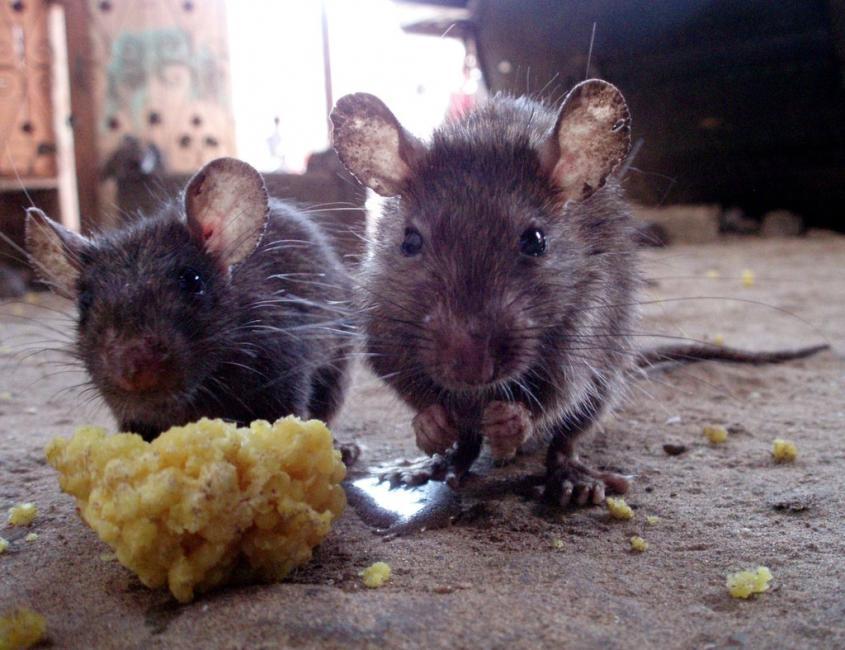
Implementing an effective rat trapping system on a farm leads to long-term benefits, including improved hygiene, reduced disease risks, and minimized financial losses. A well-maintained trapping routine prevents infestations from escalating, protecting both crops and animals from the harmful effects of rodent activity. In addition to physical damage, rats are known carriers of diseases such as leptospirosis and salmonella, which can spread rapidly in farm environments. By using traps instead of relying solely on poisons, farmers can reduce the risk of unintended harm to pets, livestock, and other beneficial animals.
Investing in high-quality rat traps and maintaining a proactive approach to rodent control ensures the sustainability of farm operations. Many farmers combine trapping with preventive measures such as sealing entry points, maintaining cleanliness, and reducing attractants like spilled grain and open feed containers. Over time, consistent trapping efforts contribute to a healthier farm ecosystem, allowing for better productivity and peace of mind. By addressing rat problems effectively, farmers can protect their livelihood and maintain a safe and efficient agricultural environment.
…